In the lead-up to global elections, misinformation trends continue to evolve rapidly, presenting significant challenges for platforms, regulators, and voters worldwide. Understanding which narratives spread fastest and how they propagate is critical to mitigating their impact on democratic processes.
Social Media Dominates as a Vector for Election Misinformation Trends
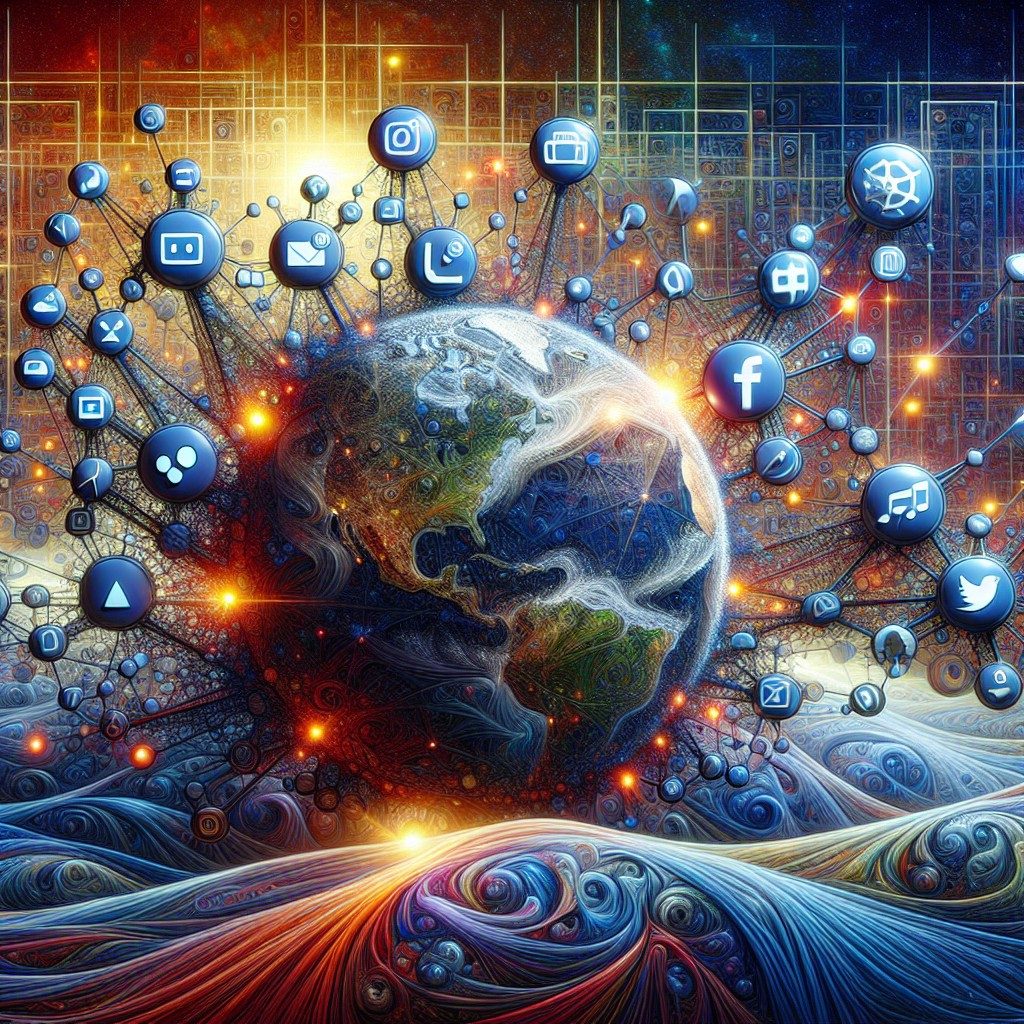
Social media platforms remain the primary channels for the dissemination of election-related misinformation trends. Sites like Facebook, Twitter, TikTok, and Instagram enable rapid sharing of content that can both inform and mislead users. Research indicates that sensational or emotionally charged misinformation spreads significantly faster and reaches wider audiences on these platforms than factual information. The algorithms used by these services often amplify content engagement without distinguishing accuracy, which exacerbates the problem.
Common Themes and Narratives in Election Misinformation Trends
The key misinformation trends around elections often revolve around voter fraud claims, manipulated voting procedures, and false endorsements or candidacy claims. These narratives sometimes include fabricated statistics or doctored images designed to undermine trust in the electoral process. Another prevalent theme is the spreading of conspiracy theories involving foreign interference or internal sabotage, which can further polarize communities and erode confidence in electoral outcomes.
Influence of Encrypted Messaging and Closed Networks
Beyond mainstream social media, encrypted messaging apps like WhatsApp, Telegram, and Signal also contribute to the spread of election misinformation trends. These closed networks are harder to monitor, allowing unchecked circulation of misleading content. Reports show that misinformation in these groups often originates from external sources but gains traction through trusted personal contacts, making it more difficult to counteract through traditional fact-checking methods.
Efforts by Platforms and Authorities to Counter Misinformation Trends
In response to these challenges, social media companies have implemented policies aimed at curbing election misinformation trends, including content labeling, removal of false claims, and adjustment of algorithms to reduce visibility of harmful posts. International organizations and government agencies have also increased public awareness campaigns and promoted digital literacy to empower voters in identifying misinformation. Despite these efforts, the scale and speed at which false information spreads make complete eradication unlikely, necessitating ongoing vigilance and adaptation.
Data-Driven Approaches to Understanding and Mitigating Misinformation Trends
Researchers and institutions use advanced data analytics and machine learning models to track misinformation trends in real time across different platforms. This approach helps identify emerging false narratives early and assess their potential impact on voter behavior. Collaborative initiatives between tech companies, academia, and policy makers aim to improve transparency and develop standardized tools to combat misinformation. For comprehensive resources and updates on these developments, authoritative institutions such as BBC News provide regularly updated insights into evolving misinformation trends. Additionally, global fact-checking networks contribute by verifying claims and debunking falsehoods rapidly.
In conclusion, election misinformation trends remain a complex and persistent issue, heavily influenced by platform dynamics and human behavior. While ongoing technological and regulatory efforts have mitigated some risks, the rapid evolution of misinformation tactics requires continuous monitoring, cross-sector cooperation, and enhanced public education. As digital ecosystems expand, elections globally will depend increasingly on effective strategies to manage and reduce the influence of misleading content.
Frequently Asked Questions about misinformation trends
What are the most common misinformation trends during elections?
The most common misinformation trends during elections include false claims about voter fraud, manipulated election procedures, and fabricated endorsements. These trends often seek to sow distrust in the electoral system.
How do social media platforms contribute to the spread of misinformation trends?
Social media platforms facilitate rapid sharing and amplification of misinformation trends through algorithms that prioritize engagement over accuracy, allowing misleading content to reach large audiences quickly.
Can encrypted messaging apps affect election misinformation trends?
Yes, encrypted messaging apps provide private, unmoderated spaces where misinformation trends can spread among trusted groups, making them harder to track and counteract.
What measures are taken to combat election misinformation trends?
Measures include content moderation, fact-checking partnerships, public awareness campaigns, and algorithm adjustments by social media platforms, alongside efforts by governments and organizations to promote digital literacy.
Where can I find reliable updates on current misinformation trends?
Reliable updates on misinformation trends can be found through reputable news sources such as Reuters, international fact-checking networks, and official communications from election oversight bodies.